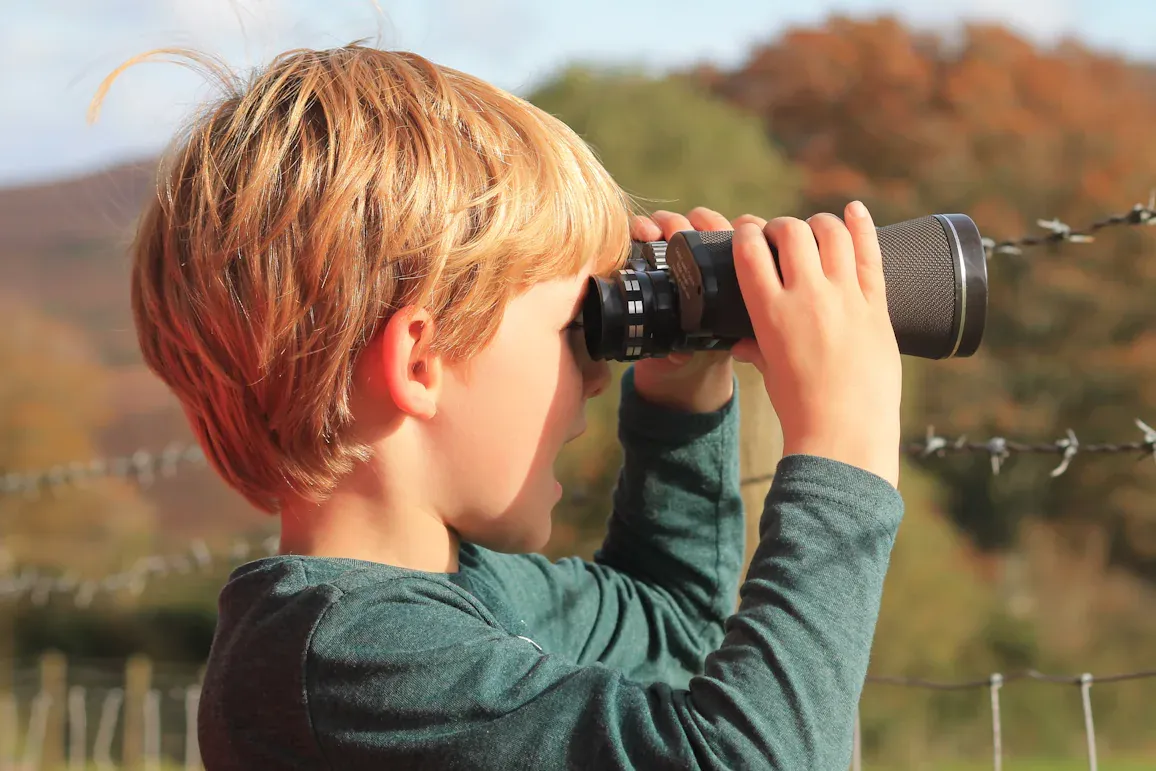
If you’re shopping for birdwatching gifts for kids, the biggest mistake is grabbing whatever toy binoculars are sitting near the checkout line. A child who can’t actually focus on a moving bird loses interest in minutes, and the gift ends up in a drawer. The real fix is simple: real (if scaled-down) optics, a way to identify what they’re seeing, and a reason to keep going back outside. This guide skips the toy aisle entirely — six real picks, from $12 to $60, that any curious young birder will actually use on the very first walk around the yard, plus the one pick that’s the right buy for most kids starting out right now.
All 6 picks, compared
| Gift | Price | Best for | Link |
|---|---|---|---|
| Celestron Kids Nature DX 8×25 Binoculars | ~$45 | spotting and following birds properly | Check price |
| Audubon Bird Call | ~$12 | a fun first birding gift | Check price |
| Wild Republic Audubon Birds Plush Collection (With Authentic Bird Calls) | ~$18 | younger kids curious about birds | Check price |
| Melissa & Doug Wooden Birdhouse Building & Painting Kit | ~$25 | an ongoing backyard project | Check price |
| National Geographic Kids Bird Guide of North America | ~$14 | naming every bird they spot | Check price |
| Junior Explorer Backyard Bird Watching Kit | ~$60 | a complete starter kit | Check price |
6 Birdwatching Gifts for Kids
Celestron Kids Nature DX 8×25 Binoculars
~$45Best for: spotting and following birds properly
The single biggest reason kids give up on birdwatching within the first ten minutes is that their binoculars simply don’t work — plastic toy lenses that blur, a focus wheel that doesn’t actually focus, or an eye spacing built for an adult face. The Nature DX 8×25 fixes all of that with genuine multi-coated glass lenses in a compact, lightweight body sized for smaller hands and a narrower face. The center focus wheel is large and easy to turn with kid-sized fingers, the 8x magnification is strong enough to identify a bird clearly without being so powerful it’s impossible to hold steady, and the rubber-armored housing shrugs off the drops that are inevitable with a young user. It’s also fully waterproof and fog-proof, so a chilly morning outing or an accidental dunk in a puddle doesn’t end the binoculars’ life along with it.
- Genuine multi-coated optics deliver a bright, clear image — the single biggest difference between a real birdwatching tool and a toy that gets abandoned
- Compact, lightweight body with kid-appropriate eye spacing makes it comfortable to hold and focus without adult-sized bulk in the way
- Waterproof, fog-proof, rubber-armored housing survives the drops and weather that come with a young user learning to handle gear
This is the gift for the kid who’s been squinting through a toy pair that never quite focuses — the Nature DX is the upgrade that makes birds actually visible for the first time.
Audubon Bird Call
~$12Best for: a fun first birding gift
The Audubon Bird Call is a small, twist-operated wooden and metal tool that produces a squeaking chirp close enough to a bird’s alarm call that curious songbirds will often fly in closer to investigate — turning a quiet, empty-looking yard into an actual encounter within a minute or two. It requires no batteries, no charging, and almost no instruction: twist the metal pin against the wood block and the sound does the rest. For a kid who’s new to the hobby, this kind of instant, tangible result matters far more than a spec sheet — it’s the difference between “nothing is happening out here” and a bird landing on a nearby branch to see what made the noise. At this price, it’s also an easy add-on to a bigger gift like the binoculars above.
- No batteries or setup required — a simple twist produces a call that draws curious birds in within minutes
- Gives a beginner an immediate, tangible result, which matters far more to a new birder than any technical feature
- Inexpensive enough to pair with a bigger gift like binoculars or a field guide without stretching the budget
This is perfect as a low-pressure first gift — the bird call lets a curious kid find out if they actually enjoy birdwatching before anyone invests in bigger gear.
Wild Republic Audubon Birds Plush Collection (With Authentic Bird Calls)
~$18Best for: younger kids curious about birds
Each plush in this collection is modeled on a real, commonly seen backyard bird — a cardinal, blue jay, or robin, for example — and squeezing it plays that exact bird’s actual recorded call, not a generic chirp. That detail matters: it means a kid learns to connect a specific sound to a specific bird before they’ve ever spotted one in the yard, which makes real outdoor sightings far more exciting once they happen (“that’s the same sound as my toy!”). It’s a gentler entry point than binoculars or a field guide for a younger sibling or a first-time gift, and it works just as well as a bedtime companion as it does a learning tool. For families building out a small collection over time, each bird is sold individually, so it’s easy to add more species as a kid’s interest grows.
- Plays each bird’s real recorded call, teaching sound-to-species recognition before a child ever spots one outdoors
- A gentler, lower-pressure entry point than binoculars or a field guide for a younger or first-time birdwatcher
- Sold individually, making it easy to build a small collection as a kid’s curiosity about different species grows
This is the gift for a younger kid who’s curious about birds but isn’t quite ready for binoculars and a field trip yet — it builds the foundation in a way that feels like play.
Celestron Kids Nature DX 8×25 Binoculars is our pick for most budgets.
Melissa & Doug Wooden Birdhouse Building & Painting Kit
~$25Best for: an ongoing backyard project
This kit gives a kid a reason to keep watching the same spot in the yard for weeks, not just one afternoon. It includes a pre-cut, unfinished wooden birdhouse ready to assemble, along with paints and brushes so a child builds and decorates it themselves before it goes up outside. Beyond the craft appeal, an actual birdhouse gives a young birder a fixed, predictable location to check every day — which teaches patience and observation in a way that a single walk in the park never quite manages. Wood construction with a hinged or removable panel makes it easy to clean out between nesting seasons, and the appropriately sized entry hole is designed to invite small, common backyard species rather than larger birds or squirrels that would take over the box.
- Combines a hands-on building and painting project with a lasting outdoor result a kid checks on every day
- Creates a fixed, predictable spot to observe, building patience and daily observation habits better than a single outing
- Appropriately sized entry hole is designed for small backyard species, keeping the box usable for the birds it’s meant to attract
This is the gift for the kid who wants an ongoing project, not a one-time outing — the birdhouse gives them a reason to keep looking out the window all season.
National Geographic Kids Bird Guide of North America
~$14Best for: naming every bird they spot
A pair of binoculars is only half the equation — a kid also needs a way to answer “okay, but what bird IS that?” This field guide is built specifically for younger readers, organized with large, clear photographs and simplified range maps instead of the dense text and technical language found in adult birding guides. Each entry highlights the handful of field marks that actually matter for a quick identification — color, size, and behavior — rather than overwhelming a first-time birder with every possible subspecies variation. It’s compact enough to toss in a backpack for a walk, and durable enough to survive being flipped through with excited, slightly muddy hands.
- Written and organized specifically for young readers, with large photos and simplified range maps instead of dense adult text
- Focuses each entry on the handful of field marks that matter most for a fast, confident identification
- Compact and durable enough to travel in a backpack and survive regular handling on real outings
This is the gift that turns “I saw a bird” into “I saw a red-winged blackbird” — the confidence boost of a correct ID is often what keeps a kid coming back to the hobby.
Junior Explorer Backyard Bird Watching Kit
~$60Best for: a complete starter kit
For a kid who’s ready to go all in, this kit removes every excuse to not get started immediately. It bundles a proper pair of kid-sized binoculars, a durable field journal with prompts for recording date, location, and what was spotted, a set of laminated bird identification cards for quick reference in the field, and a small carrying pouch to keep everything together between outings. Buying these pieces separately usually costs more and risks mismatched quality — a great field guide paired with binoculars that don’t actually focus, for example. This kit is built as a complete, coordinated set from the start, so a first-time birder has genuinely everything they need in one box, with nothing left to add before that first walk around the block.
- Bundles binoculars, a journal, and ID cards as one coordinated set, avoiding the mismatched-quality risk of buying pieces separately
- The included journal builds a habit of recording sightings, turning a one-off walk into an ongoing hobby they track over time
- A carrying pouch keeps every piece together between outings, so gear doesn’t get lost or left behind after the first use
This is the gift for the kid who’s ready to make birdwatching an actual hobby — everything they need is already in the box, from the first outing onward.
What to Look For: Buying Birdwatching Gifts for Kids
Real Optics Beat Toy Binoculars, Every Time
The single most common mistake when buying birdwatching gifts for kids is grabbing a toy-aisle pair of binoculars instead of genuine, if scaled-down, optics. Toy binoculars almost never actually focus, which means a child spends their first outing squinting at a blur and quietly decides the hobby isn’t for them. Look for real coated glass lenses, a working center focus wheel, and a magnification around 8x — strong enough to identify a bird clearly, but not so powerful that a small child can’t hold the image steady. This one decision determines whether the rest of the gift gets used at all.
Match the Gift to How They’ll Actually Watch Birds
Not every young birder wants to go on a hike to find their subject. A kid who mostly watches from a bedroom window or the backyard will get more daily use out of a birdhouse or a feeder than a field guide built for identifying species on a trail. A kid who’s already asking to go on outdoor walks is a better fit for binoculars and a portable field guide they can bring along. Thinking for a moment about where they’ll actually be watching birds — window, yard, or trail — makes the difference between a gift that gets used constantly and one that gets tried once.
Consider Age and Independence
Binoculars with a simple center focus wheel and a bird call requiring just a twist of the wrist work well for kids as young as five or six. A field journal that requires writing full sentences, or an ID guide organized by more technical field marks, tends to land best with kids around eight and up who can already read independently and follow a multi-step identification process. For a younger sibling who’s curious but not quite ready for the full experience, the plush collection with real bird calls is a gentler starting point that still teaches genuine species recognition.
Pair the Gift With a First Experience, Not Just an Object
The gifts on this list that get used again and again all share one thing: they give a kid a reason to go back outside. A birdhouse only becomes exciting once a bird actually moves in and gets checked on daily. Binoculars matter most on the very first walk where they’re used to actually find something. If possible, plan that first ten-minute walk around the yard or nearest park together right after they open the gift — it’s a small step that turns a new object into the start of an actual hobby.
Frequently asked questions
What are the best birdwatching gifts for kids?
The best birdwatching gifts for kids are ones built around real, usable equipment rather than toy-aisle versions that don’t actually work. Top picks include the Celestron Kids Nature DX 8×25 Binoculars (~$45) for genuine optics in a kid-sized body, the Audubon Bird Call (~$12) as a low-pressure first try, and the Junior Explorer Backyard Bird Watching Kit (~$60) for a kid ready for a complete, coordinated setup.
What age is appropriate for birdwatching gifts?
Most of the gear on this list works well for kids aged six and up, once they can hold binoculars steady and turn a focus wheel with some coordination. Younger kids around three to five tend to do better starting with the plush bird collection that plays real calls, since it teaches basic species and sound recognition without requiring the fine motor control that binoculars or a field journal demand.
Do kids need real binoculars, or will a toy pair work?
Real, if scaled-down, optics make a meaningful difference. Toy binoculars typically have fixed or non-functional focus and low-quality lenses that produce a blurry image, which is often the exact reason a child loses interest within the first outing. A genuine kid-sized pair like the Celestron Nature DX has real coated glass and a working focus wheel, so a child can actually locate and identify a bird clearly instead of giving up on a blur.
What’s a good budget birdwatching gift for a child just starting out?
The Audubon Bird Call at around $12 is the strongest budget starting point — it requires no batteries or instructions, and it produces an immediate, tangible result by drawing curious birds in close within minutes. It’s also an easy add-on to a bigger gift like binoculars or a field guide without stretching the budget.
How do I get a kid excited about birdwatching if they haven’t shown interest yet?
Start small and hands-on rather than leading with a field guide or a long walk. The Audubon Bird Call or the plush collection with real bird calls both create an immediate, playful moment of discovery with almost no setup required. Pairing any gift with a short, ten-minute walk around the yard together right after they open it tends to do more to spark genuine interest than the equipment itself.
Keep exploring